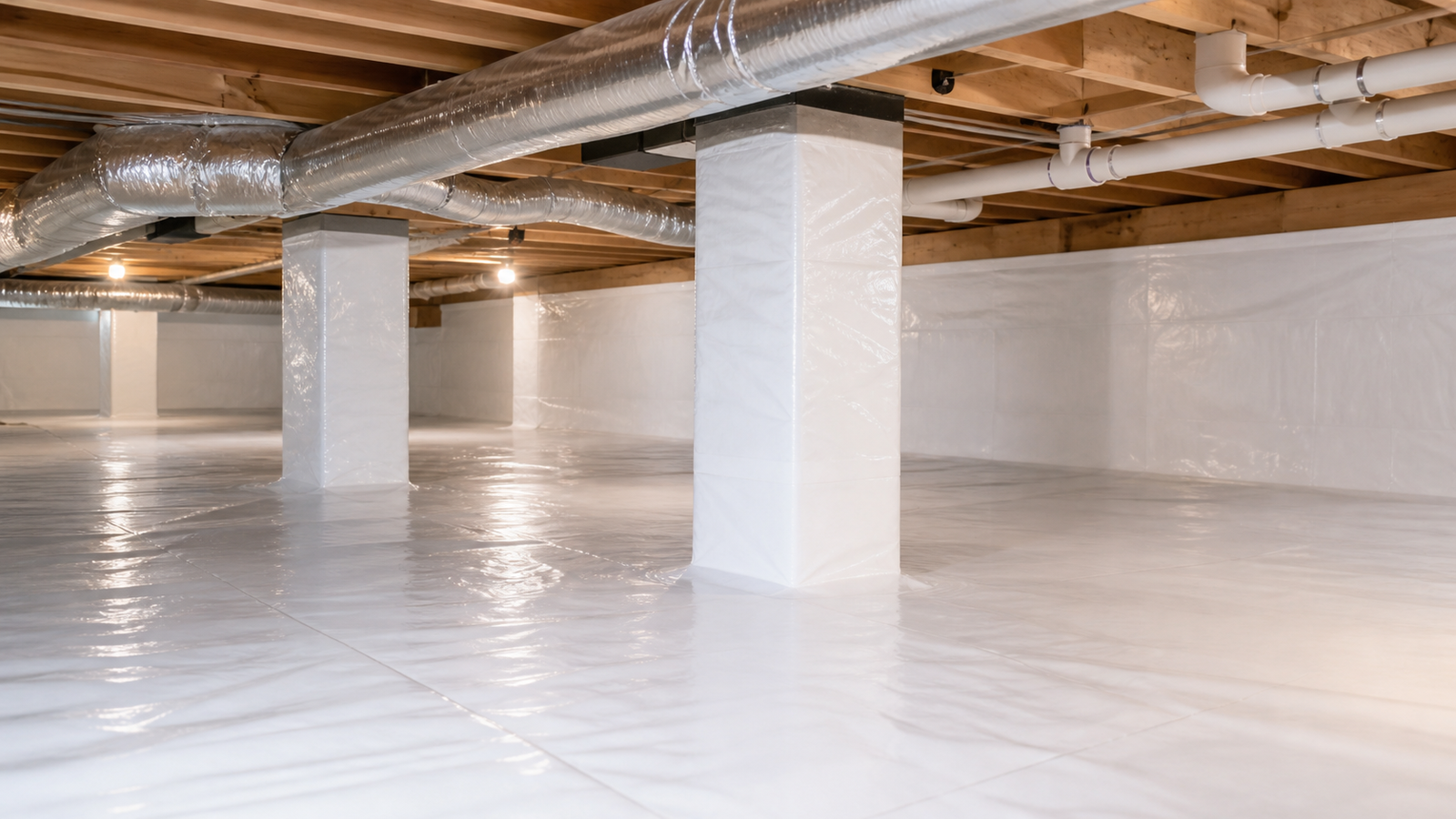
Crawl space insulation should be evaluated with the moisture source, because wet or sagging insulation can trap dampness near floor framing and hide wood conditions. Replacing insulation without controlling humidity, ground moisture, vents, or water intrusion may leave the same problem below the home. An inspection is useful when insulation is wet, falling, musty, pest-damaged, or covering suspicious wood conditions.
Vulcan Crawlspace Co. works with homeowners in Mountain Brook and the Birmingham metro who need to understand crawl space moisture, drainage, vapor barrier, humidity, and repair questions before choosing a system. The useful starting point is a clear inspection, then a scope that matches what is actually happening under the home.
Mountain Brook insulation decisions should include crawl space insulation planning after moisture sources and air movement are understood.
Quick Reference: Insulation and Moisture in Mountain Brook Homes
| Condition | Possible cause | Planning note |
|---|---|---|
| Wet fiberglass | Humidity, condensation, or water intrusion | Find source before replacement |
| Sagging insulation | Moisture weight or poor fit | Inspect subfloor and joists |
| Odor above crawl space | Damp insulation or wood may be involved | Inspect air paths and floor penetrations |
| Older or tight access | Inspection may be more detailed | Document conditions with photos |
Mountain Brook Insulation Checklist
- Inspect the moisture source before replacing material
- Look for wet wood behind insulation
- Check vents, soil, ducts, and drainage
- Ask whether encapsulation changes the insulation plan
- Confirm access and cleanup details in writing
Insulation Moisture Chart
| Priority level | When it fits | Best next step |
|---|---|---|
| Dry but loose | May be attachment or age issue | Inspect and repair as needed |
| Damp | Moisture source still active | Correct source first |
| Wet with odor or staining | Broader moisture issue likely | Plan removal and moisture control |
Why crawl space insulation gets wet or heavy
A good inspection should explain humid air through vents, exposed soil moisture, condensation, and water intrusion. The review should include how fiberglass can sag, fall, or conceal damp wood when it gets wet. Older or larger home framing can make the inspection more detailed, especially when access is tight or insulation hides the condition of joists and subflooring. It helps to check the moisture source before replacing insulation. Repair decisions are easier to make after the moisture source is understood. If damp air, wet soil, or drainage is still affecting the crawl space, new materials can be exposed to the same conditions that caused the damage in the first place.
What insulation can hide during a crawlspace inspection
The plan should also account for hidden joist staining, pest activity, condensation, duct issues, and subfloor moisture. Inspectors may need to see enough of the floor system to understand the problem. Visible staining is not the same as a final repair diagnosis. Inspection photos to homeowner confidence. Repair decisions are easier to make after the moisture source is understood. If damp air, wet soil, or drainage is still affecting the crawl space, new materials can be exposed to the same conditions that caused the damage in the first place.
When encapsulation changes the insulation plan
Encapsulation can shift the plan from floor insulation alone to a sealed crawl space system. The review should include vapor barrier, wall attachment, air sealing, vent sealing, and dehumidifier planning. Insulation recommendations depend on crawl space design and local code requirements. Keep the wording general and inspection-based. Repair decisions are easier to make after the moisture source is understood. If damp air, wet soil, or drainage is still affecting the crawl space, new materials can be exposed to the same conditions that caused the damage in the first place.
How to decide whether insulation should be removed or replaced
The list should include condition, moisture source, odor, pest damage, access, ductwork, and floor comfort. Wet insulation may need removal before repairs or encapsulation can be completed. The plan should also account for drainage review if water is present. Inspection as the route to a clean estimate. Repair decisions are easier to make after the moisture source is understood. If damp air, wet soil, or drainage is still affecting the crawl space, new materials can be exposed to the same conditions that caused the damage in the first place.
Local Context for Mountain Brook Homes
Local context matters when it explains the symptom a homeowner is seeing, not when it turns into a city list. In the Birmingham area, heavy rain, humid summers, shaded lots, older vented foundations, crawl space access, and yard drainage can all change how moisture shows up below a home.
For Mountain Brook-area homeowners, those details should guide the inspection questions: where water moves after storms, whether vents are bringing in humid air, how the lot slopes, and whether insulation, joists, piers, or soil are holding moisture. The answer still has to come from the actual crawl space, because nearby homes can have very different conditions.
Schedule a Birmingham Crawl Space Inspection
Tell Vulcan Crawlspace Co. what you are seeing below the home, and ask for an inspection or estimate before moisture, drainage, or repair issues get worse.
A good estimate should explain what was found, what needs to happen first, and whether encapsulation, waterproofing, drainage, insulation removal, repair, or dehumidifier planning belongs in the scope. That keeps the decision tied to the condition of the home, not a one-size-fits-all package.