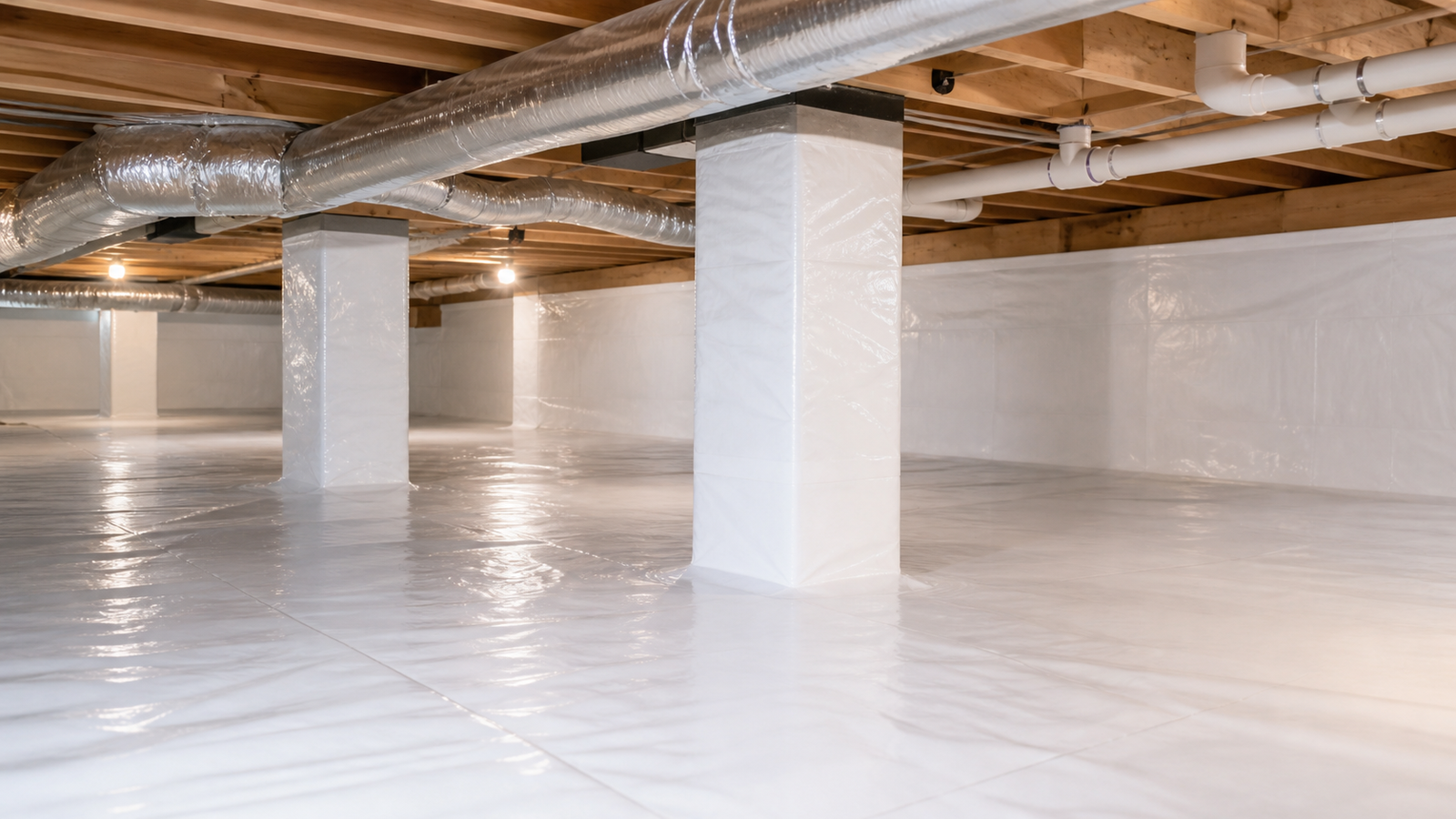
Crawl space encapsulation cost in Birmingham changes based on crawl space size, access, standing water, vapor barrier needs, insulation removal, drainage, air sealing, and dehumidifier planning. A reliable estimate depends on an inspection because two homes with similar square footage can need very different prep work. Drainage and wet insulation are common reasons a simple liner-only quote may change.
Vulcan Crawlspace Co. works with Birmingham-area homeowners who are trying to sort out crawl space moisture, drainage, vapor barrier, humidity, and repair questions without guessing at the cause. The useful starting point is a clear inspection, then a scope that matches what is actually happening under the home.
Cost makes more sense after the crawl space encapsulation scope separates liner work from drainage, repair, insulation, and humidity-control needs.
Quick Reference: What Changes Encapsulation Cost
| Cost factor | Why it changes the scope | What the estimate should say |
|---|---|---|
| Crawl space size and height | More area and tighter access affect labor and material | Measured area, access limits, and prep needs |
| Standing water or drainage | Water must be controlled before sealing | Drainage, sump, or exterior water recommendations |
| Wet insulation or debris | Cleanup may be needed before liner work | Removal, disposal, and replacement details |
| Humidity control | Some spaces need dehumidifier planning | Humidity readings and equipment scope |
Estimate Review Checklist
- Confirm the quote is based on an inspection
- Ask whether drainage is included or excluded
- Ask what liner material and seam treatment are included
- Check whether insulation removal is listed separately
- Ask whether dehumidifier planning is included
Scope Impact Chart
| Priority level | When it fits | Best next step |
|---|---|---|
| Lower scope | Dry space, clear access, intact framing | Liner and basic sealing may be simpler |
| Moderate scope | Damp insulation, air leaks, uneven access | Prep and sealing details matter more |
| Higher scope | Standing water, repair concerns, tight access | Drainage, cleanup, and sequencing can change cost |
What factors affect crawl space encapsulation cost first?
The review should include square footage, crawl space height, access size, debris, old liner removal, and number of piers. Tight or low-access spaces take more labor even when the footprint is modest. Photos help, but an inspection is still needed for pricing. This is where a detailed estimate matters. Photos, plain-language findings, and a written scope make it easier to compare recommendations and see whether drainage, sealing, insulation, repair, or humidity control has been included.
How do water and drainage issues change the project scope?
Active water needs diagnosis before the crawl space is sealed. The plan should also account for drainage, sump pump planning, downspout corrections, and grading review as possible add-ons. Not every damp crawl space needs the same drainage solution. For Birmingham-area homeowners, water control is the part of the plan that should not be guessed at. If water is still moving toward the foundation or collecting in low areas, sealing the crawl space before controlling that water can leave the same problem hidden under new materials.
Why can insulation and air sealing change the cost?
Discuss wet, fallen, or contaminated insulation as a removal or replacement consideration. Vent sealing, rim-joist gaps, and access-door sealing may be part of moisture control. The goal is to control air and moisture together. The important detail is pattern, not just one damp day. Recurring odor, condensation, or high humidity after rain or during summer weather usually means the crawl space needs a moisture-control plan instead of a quick cosmetic fix.
When does a dehumidifier belong in the budget?
Birmingham humidity may make dehumidifier planning important after sealing. Sizing, drainage route, electrical needs, and maintenance access affect the recommendation. Not every project requires a dehumidifier before inspection. The important detail is pattern, not just one damp day. Recurring odor, condensation, or high humidity after rain or during summer weather usually means the crawl space needs a moisture-control plan instead of a quick cosmetic fix.
Local Context for Birmingham-Area Homes
Local context matters when it explains the symptom a homeowner is seeing, not when it turns into a city list. In the Birmingham area, heavy rain, humid summers, shaded lots, older vented foundations, crawl space access, and yard drainage can all change how moisture shows up below a home.
For Birmingham-area homeowners, those details should guide the inspection questions: where water moves after storms, whether vents are bringing in humid air, how the lot slopes, and whether insulation, joists, piers, or soil are holding moisture. The answer still has to come from the actual crawl space, because nearby homes can have very different conditions.
Schedule a Birmingham Crawl Space Inspection
Tell Vulcan Crawlspace Co. what you are seeing below the home, and ask for an inspection or estimate before moisture, drainage, or repair issues get worse.
A good estimate should explain what was found, what needs to happen first, and whether encapsulation, waterproofing, drainage, insulation removal, repair, or dehumidifier planning belongs in the scope. That keeps the decision tied to the condition of the home, not a one-size-fits-all package.