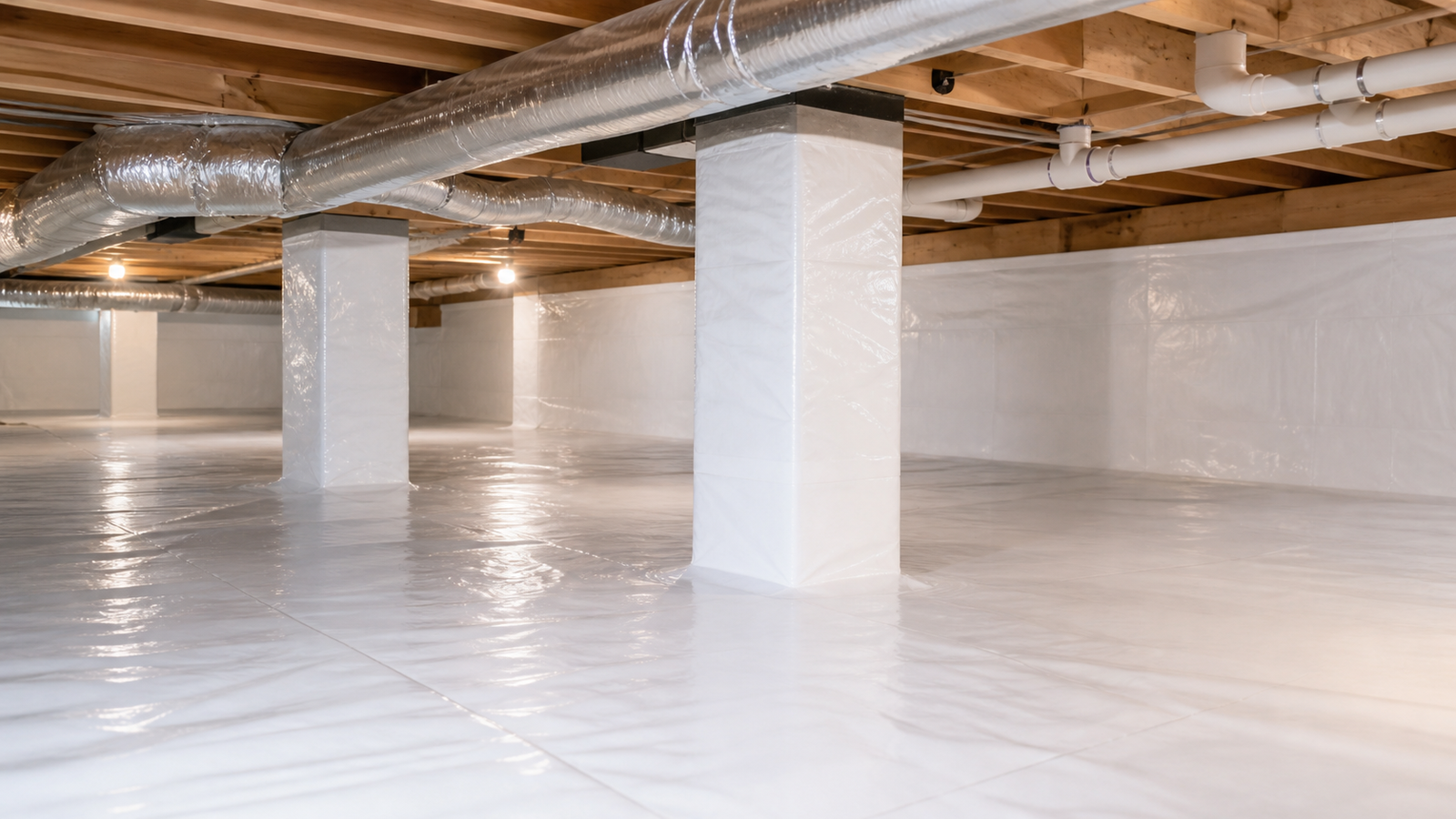
Encapsulating a crawl space before selling a Birmingham home can be worth considering when there are musty odors, standing water, exposed soil, failed vapor barriers, damp insulation, or prior inspection concerns. The best next step is an inspection that identifies whether the home needs encapsulation, drainage, repairs, cleanup, or documentation before listing.
Vulcan Crawlspace Co. works with Birmingham-area homeowners who are trying to sort out crawl space moisture, drainage, vapor barrier, humidity, and repair questions without guessing at the cause. The useful starting point is a clear inspection, then a scope that matches what is actually happening under the home.
Before selling, a crawl space inspection can help separate cosmetic cleanup from moisture, repair, insulation, or encapsulation needs.
Quick Reference: Pre-Sale Crawl Space Decisions
| Pre-sale issue | Why buyers notice | What sellers should do |
|---|---|---|
| Musty odor | Can create concern during showings or inspection | Find moisture source before listing |
| Wet insulation or liner damage | Looks like deferred maintenance | Document findings and repair plan |
| Standing water | May trigger inspection objections | Address drainage before cosmetic fixes |
| No crawl space photos | Uncertainty can slow decisions | Get inspection photos and written scope |
Seller Checklist Before Listing
- Inspect before the buyer inspection if symptoms exist
- Prioritize water, odor, and visible damage
- Keep photos and receipts for completed work
- Avoid hiding active moisture with a quick liner
- Use a written estimate to decide what to fix before listing
Pre-Sale Priority Chart
| Priority level | When it fits | Best next step |
|---|---|---|
| Low | No odor, dry crawl space, intact materials | Keep documentation ready |
| Medium | Old liner, minor odor, damp insulation | Inspect and price practical fixes |
| High | Standing water, soft floors, visible damage | Address before buyer inspection when possible |
Why do crawl spaces matter during a home sale?
Inspectors often check for moisture, odors, damaged insulation, and standing water. Buyers may be concerned by exposed soil, musty smells, or unclear repair history. The plan should also account for how a cleaner crawl space can make the inspection conversation easier. Encapsulation is not needed for every sale. The main takeaway for Birmingham-area homeowners is to connect the symptom with the cause before choosing a solution. The same visible issue can come from ground vapor, outside air, drainage, damaged insulation, or wood moisture, and each one changes the right next step.
What crawl space issues should be checked before listing?
Look for standing water, damp soil, old plastic, insulation damage, wood staining, and pests. Check access doors, vents, foundation walls, piers, joists, and drainage paths. The plan should also account for odor checks inside the home near floors, closets, and HVAC returns. A practical next step is to photos and written findings for seller planning. The main takeaway for Birmingham-area homeowners is to connect the symptom with the cause before choosing a solution. The same visible issue can come from ground vapor, outside air, drainage, damaged insulation, or wood moisture, and each one changes the right next step.
When is encapsulation helpful before selling?
Discuss recurring crawl space moisture, odors, exposed ground, and failed vapor barriers. The inspection or estimate should also consider homes with previous inspection objections or buyer concerns. The plan should also account for situations where drainage and dehumidification should be included with the barrier. A documented project can reduce uncertainty during negotiations. Encapsulation performs best when it is treated as a system, not just plastic on the ground. The liner, seams, wall attachment, pier details, vents, access door, drainage, and humidity control all affect how well the crawl space stays dry over time.
When should repairs or drainage come first?
Standing water, active leaks, damaged wood, or cracked piers need review. Repairs, drainage, and cleanup may need to happen before encapsulation. The plan should also account for the importance of not hiding issues from buyers or inspectors. Honest documentation protects both seller and buyer confidence. For Birmingham-area homeowners, water control is the part of the plan that should not be guessed at. If water is still moving toward the foundation or collecting in low areas, sealing the crawl space before controlling that water can leave the same problem hidden under new materials.
What documentation should sellers keep?
Keep inspection photos, estimate, completed work photos, warranty details, and maintenance notes. The plan should also account for humidity readings or dehumidifier setup details if available. The inspection or estimate should also consider disclosure documents and realtor guidance without giving legal advice. Suggest having records ready for homes in Hoover, Homewood, and nearby Birmingham suburbs. The main takeaway for Birmingham-area homeowners is to connect the symptom with the cause before choosing a solution. The same visible issue can come from ground vapor, outside air, drainage, damaged insulation, or wood moisture, and each one changes the right next step.
Local Context for Birmingham-Area Homes
Local context matters when it explains the symptom a homeowner is seeing, not when it turns into a city list. In the Birmingham area, heavy rain, humid summers, shaded lots, older vented foundations, crawl space access, and yard drainage can all change how moisture shows up below a home.
For Birmingham-area homeowners, those details should guide the inspection questions: where water moves after storms, whether vents are bringing in humid air, how the lot slopes, and whether insulation, joists, piers, or soil are holding moisture. The answer still has to come from the actual crawl space, because nearby homes can have very different conditions.
Schedule a Birmingham Crawl Space Inspection
Tell Vulcan Crawlspace Co. what you are seeing below the home, and ask for an inspection or estimate before moisture, drainage, or repair issues get worse.
A good estimate should explain what was found, what needs to happen first, and whether encapsulation, waterproofing, drainage, insulation removal, repair, or dehumidifier planning belongs in the scope. That keeps the decision tied to the condition of the home, not a one-size-fits-all package.