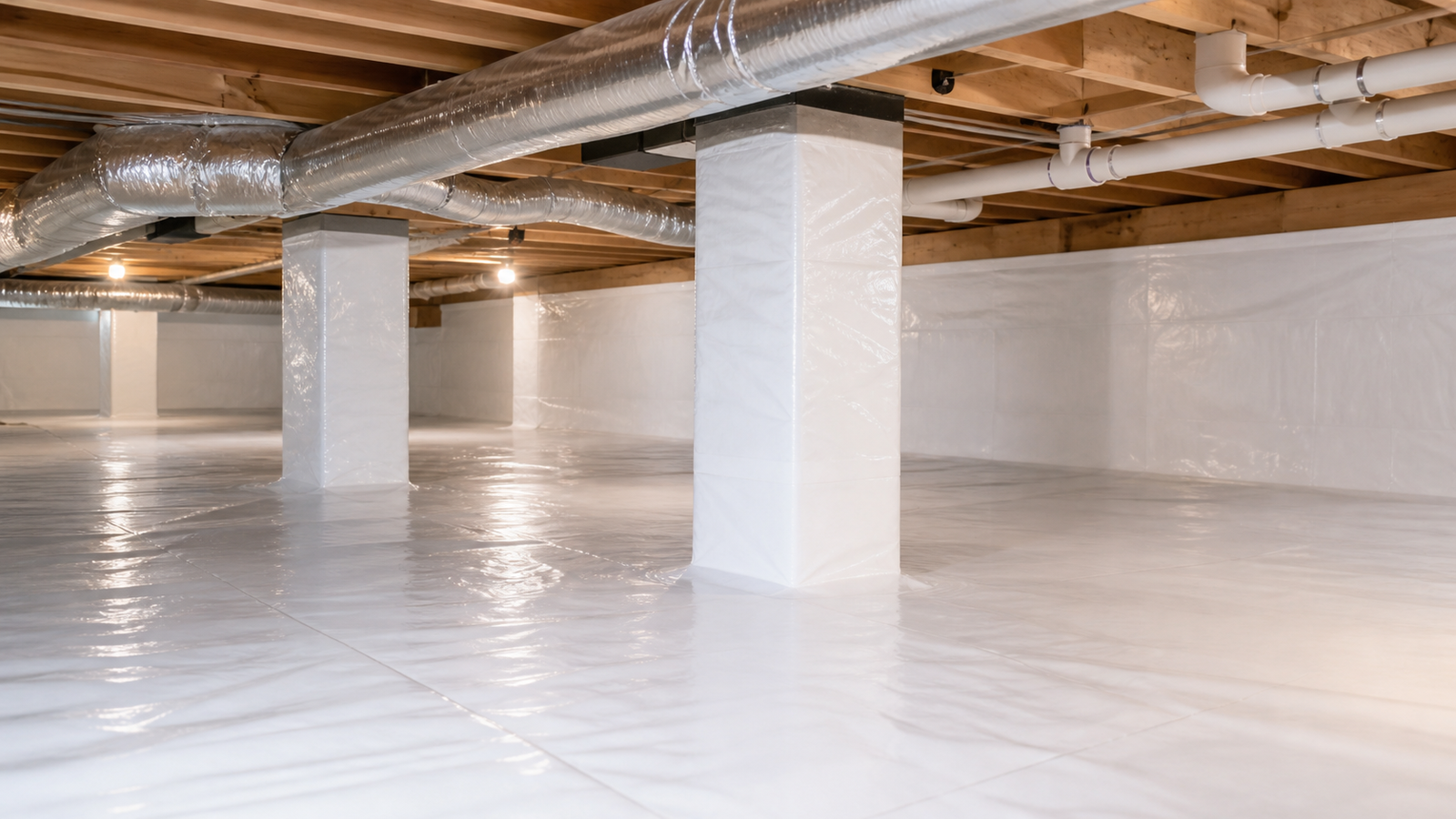
Soft floors above a crawl space can come from moisture-damaged joists, weakened subflooring, shifted supports, pier settlement, or wood rot. A crawl space inspection helps identify whether the issue is structural support, moisture control, or both.
Vulcan Crawlspace Co. works with Birmingham-area homeowners who are trying to sort out crawl space moisture, drainage, vapor barrier, humidity, and repair questions without guessing at the cause. The useful starting point is a clear inspection, then a scope that matches what is actually happening under the home.
Soft floors should trigger a crawl space repair review before encapsulation materials cover joists, beams, piers, or subfloor clues.
Quick Reference: Soft Floor Clues
| Symptom | Possible crawl space factor | What to inspect |
|---|---|---|
| Soft spot in one room | Localized subfloor or joist issue | Joists, subflooring, moisture, and support |
| Bouncy floor across a wider area | Support, beam, or framing issue may exist | Beams, piers, posts, and floor system |
| Soft floor with musty odor | Moisture may be part of the problem | Wood moisture, insulation, and crawl space humidity |
| Soft floor after storms | Drainage may be affecting the area below | Exterior water flow and wet soil |
Soft Floor Inspection Checklist
- Map where the floor feels soft or bouncy
- Notice whether symptoms change after rain
- Check for odors, wet insulation, or visible staining
- Ask for photos of joists, beams, and piers
- Plan moisture control with any repair work
Floor Concern Chart
| Priority level | When it fits | Best next step |
|---|---|---|
| Watch | Minor isolated feel, no moisture signs | Document and monitor |
| Inspect | Recurring softness, odor, or dampness | Inspect crawl space framing |
| Act promptly | Visible sagging, water, or wood damage | Review repair and moisture plan |
What does a soft floor usually mean in a crawl space home?
Define soft, bouncy, sagging, and uneven floor symptoms. Causes can include subfloor, joist, beam, or pier issues. Moisture can weaken wood before homeowners see visible damage indoors. It helps to inspection instead of guessing from the room above. Repair decisions are easier to make after the moisture source is understood. If damp air, wet soil, or drainage is still affecting the crawl space, new materials can be exposed to the same conditions that caused the damage in the first place.
What crawl space clues should be checked below the floor?
Stained, cracked, or softened floor joists. Beam deflection, undersized supports, or damaged girder areas. Pier movement, shims, settlement, or gaps at support points. Moist soil, standing water, or high humidity near wood framing. Repair decisions are easier to make after the moisture source is understood. If damp air, wet soil, or drainage is still affecting the crawl space, new materials can be exposed to the same conditions that caused the damage in the first place.
How does moisture make floor problems worse?
Wet wood can lose strength and attract decay over time. Humid crawl spaces can keep framing from drying properly. Damp insulation can hold moisture against the subfloor. Drainage and vapor barrier work may be needed before repairs hold. Repair decisions are easier to make after the moisture source is understood. If damp air, wet soil, or drainage is still affecting the crawl space, new materials can be exposed to the same conditions that caused the damage in the first place.
When are repairs different from encapsulation?
Framing repairs address damaged or unsupported wood. Encapsulation helps control moisture after water issues are handled. Some homes need both structural repair and moisture prevention. A repair plan should sequence support work, drainage, and sealing correctly. Repair decisions are easier to make after the moisture source is understood. If damp air, wet soil, or drainage is still affecting the crawl space, new materials can be exposed to the same conditions that caused the damage in the first place.
When should a homeowner stop waiting and book an inspection?
Floors feel newly bouncy, sloped, or soft in specific rooms. Doors stick, trim gaps change, or furniture sits unevenly. Musty odors or water signs appear with floor movement. Known crawl space moisture below the affected area makes inspection more urgent. The main takeaway for Birmingham-area homeowners is to connect the symptom with the cause before choosing a solution. The same visible issue can come from ground vapor, outside air, drainage, damaged insulation, or wood moisture, and each one changes the right next step.
Local Context for Birmingham-Area Homes
Local context matters when it explains the symptom a homeowner is seeing, not when it turns into a city list. In the Birmingham area, heavy rain, humid summers, shaded lots, older vented foundations, crawl space access, and yard drainage can all change how moisture shows up below a home.
For Birmingham-area homeowners, those details should guide the inspection questions: where water moves after storms, whether vents are bringing in humid air, how the lot slopes, and whether insulation, joists, piers, or soil are holding moisture. The answer still has to come from the actual crawl space, because nearby homes can have very different conditions.
Schedule a Birmingham Crawl Space Inspection
Tell Vulcan Crawlspace Co. what you are seeing below the home, and ask for an inspection or estimate before moisture, drainage, or repair issues get worse.
A good estimate should explain what was found, what needs to happen first, and whether encapsulation, waterproofing, drainage, insulation removal, repair, or dehumidifier planning belongs in the scope. That keeps the decision tied to the condition of the home, not a one-size-fits-all package.