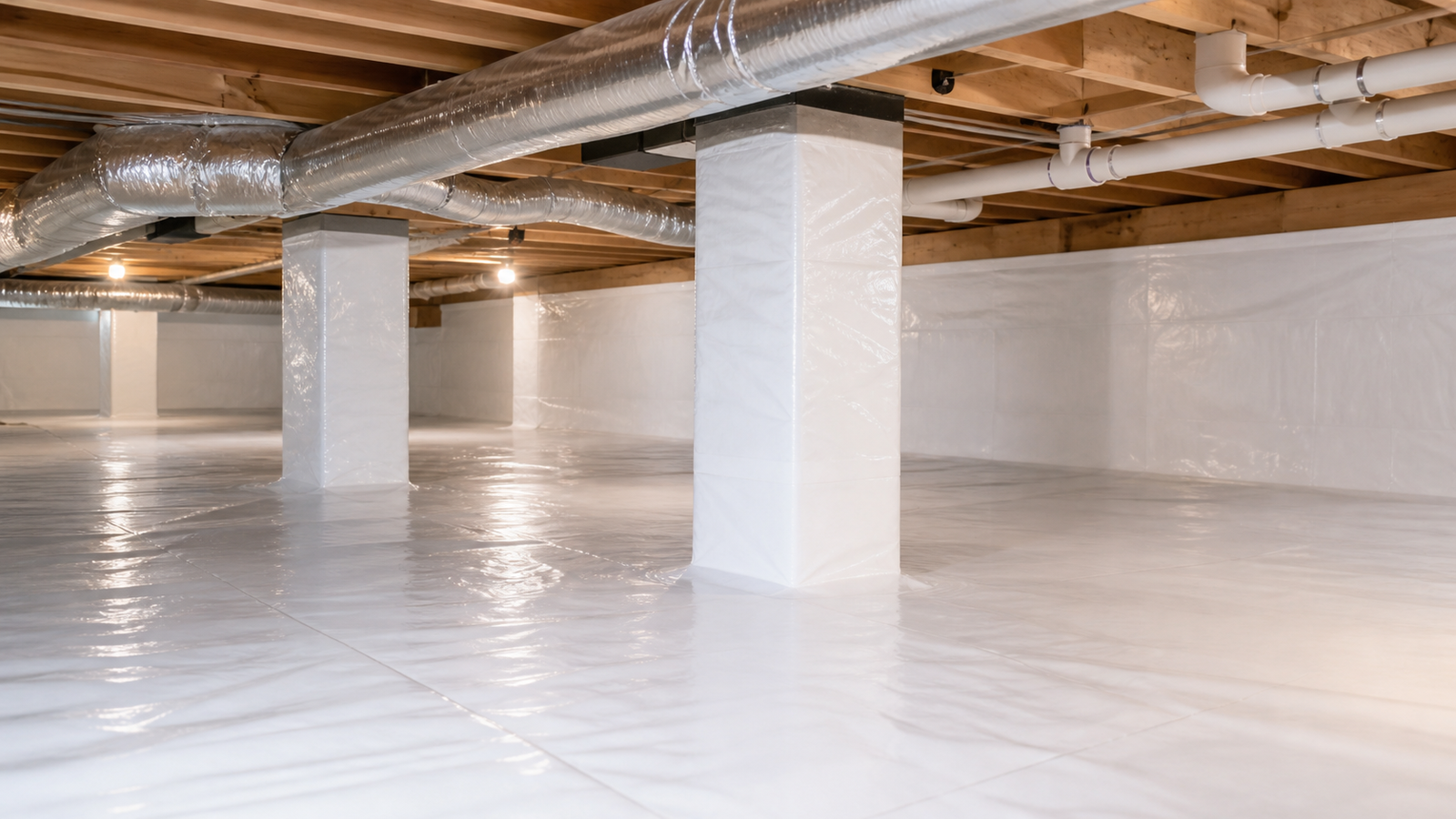
A Birmingham crawl space inspection should check moisture sources, exposed soil, vapor barrier condition, vents, insulation, wood framing, drainage, foundation walls, access, and exterior water flow. The inspection should connect visible symptoms to likely causes rather than jumping straight to a product recommendation. Photos and a clear scope help homeowners compare options.
Vulcan Crawlspace Co. works with Birmingham-area homeowners who are trying to sort out crawl space moisture, drainage, vapor barrier, humidity, and repair questions without guessing at the cause. The useful starting point is a clear inspection, then a scope that matches what is actually happening under the home.
A Birmingham crawl space inspection should document moisture sources, photos, repair notes, and the sequence of work before an estimate is finalized.
Quick Reference: What an Inspection Should Cover
| Inspection area | What to look for | Why it matters |
|---|---|---|
| Exterior drainage | Downspouts, slope, gutters, low areas | Water outside often explains moisture inside |
| Ground and liner | Bare soil, torn plastic, standing water | Ground vapor and water paths shape the plan |
| Framing and insulation | Joists, beams, subfloor, damp insulation | Moisture can affect materials above the soil |
| Vents and air leaks | Open vents, access gaps, utility penetrations | Humid air can keep the space damp |
Crawl Space Inspection Preparation Checklist
- Clear the crawl space access area if possible
- Write down when odors or dampness are most noticeable
- Mention recent storms, past leaks, or old repairs
- Ask for photos of findings
- Ask for a written scope that separates water, vapor, air, and repair issues
Inspection Output Chart
| Priority level | When it fits | Best next step |
|---|---|---|
| Basic finding | One symptom identified | Needs photos and cause explanation |
| Useful finding | Symptom linked to source | Can support a specific recommendation |
| Strong finding | Source, sequence, photos, and scope are clear | Best basis for approving work |
What does the inspector check before entering the crawl space?
The review should include downspouts, gutters, grading, foundation vents, access door condition, low areas, and signs of water near the foundation. Outside drainage often explains what is happening inside. Inspection starts before anyone crawls under the home. The main takeaway for Birmingham-area homeowners is to connect the symptom with the cause before choosing a solution. The same visible issue can come from ground vapor, outside air, drainage, damaged insulation, or wood moisture, and each one changes the right next step.
What gets checked inside the crawl space?
The plan should also account for soil moisture, vapor barrier condition, standing water, foundation walls, piers, joists, beams, insulation, ducts, pipes, vents, and odor. The inspection or estimate should also consider photo documentation where possible. The goal is to identify the moisture path and affected materials. The main takeaway for Birmingham-area homeowners is to connect the symptom with the cause before choosing a solution. The same visible issue can come from ground vapor, outside air, drainage, damaged insulation, or wood moisture, and each one changes the right next step.
How are inspection findings turned into recommendations?
Recommendations should separate must-fix water issues from moisture-control upgrades. The review should include encapsulation, drainage, sump pump planning, air sealing, insulation review, and dehumidifier planning. It helps to a written estimate that explains what is included and what is optional. The main takeaway for Birmingham-area homeowners is to connect the symptom with the cause before choosing a solution. The same visible issue can come from ground vapor, outside air, drainage, damaged insulation, or wood moisture, and each one changes the right next step.
What should homeowners do before the appointment?
Before the appointment, homeowners can clear the access area, noting odors or rain-related timing, gathering prior repair info, and keeping pets away from the access point. A practical next step is to share where moisture or floor symptoms are noticed inside the home. Keep preparation simple and homeowner-friendly. The main takeaway for Birmingham-area homeowners is to connect the symptom with the cause before choosing a solution. The same visible issue can come from ground vapor, outside air, drainage, damaged insulation, or wood moisture, and each one changes the right next step.
Local Context for Birmingham-Area Homes
Local context matters when it explains the symptom a homeowner is seeing, not when it turns into a city list. In the Birmingham area, heavy rain, humid summers, shaded lots, older vented foundations, crawl space access, and yard drainage can all change how moisture shows up below a home.
For Birmingham-area homeowners, those details should guide the inspection questions: where water moves after storms, whether vents are bringing in humid air, how the lot slopes, and whether insulation, joists, piers, or soil are holding moisture. The answer still has to come from the actual crawl space, because nearby homes can have very different conditions.
Schedule a Birmingham Crawl Space Inspection
Tell Vulcan Crawlspace Co. what you are seeing below the home, and ask for an inspection or estimate before moisture, drainage, or repair issues get worse.
A good estimate should explain what was found, what needs to happen first, and whether encapsulation, waterproofing, drainage, insulation removal, repair, or dehumidifier planning belongs in the scope. That keeps the decision tied to the condition of the home, not a one-size-fits-all package.